How to Choose the Right Air Purifiers: Filter, CADR, Room Size & Cost Explained
Confused about which air purifiers to buy? Learn how to choose the right air purifier based on HEPA filter quality, CADR, room size, and long-term filter cost. Complete 2026 buying guide with expert tips.
If you already know you need an air purifier, the real challenge is not whether to buy one, but which one actually makes sense for your room, your pollution level, and your budget.
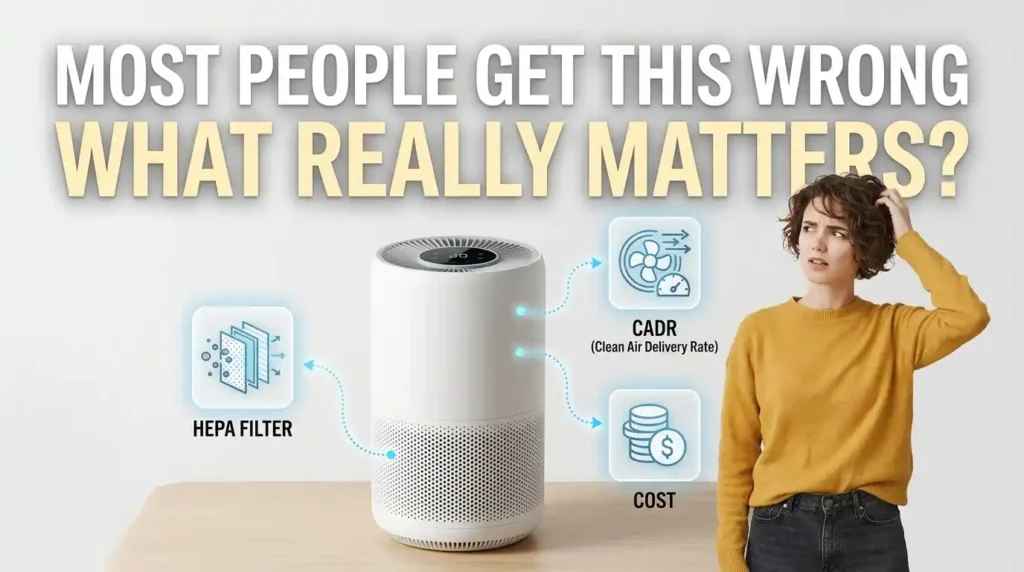
After comparing a long list of popular air purifiers across brands like Coway, Dyson, Honeywell, Sharp, Philips, Xiaomi, Qubo, Cuckoo, and others, the conclusion is simple: most people should not choose based on looks, app features, or marketing claims.
3 Key Factors to Choose the Right Air Purifiers
- Filter quality
- Filter replacement life and cost
- Room coverage and CADR
Get these three right, and most of the confusion disappears.
Why Filter Quality Matters in an Air Purifiers
1. Filter quality is the most important thing
The heart of any air purifier is its filtration system. Everything else is secondary. There are three main filter types to pay attention to.
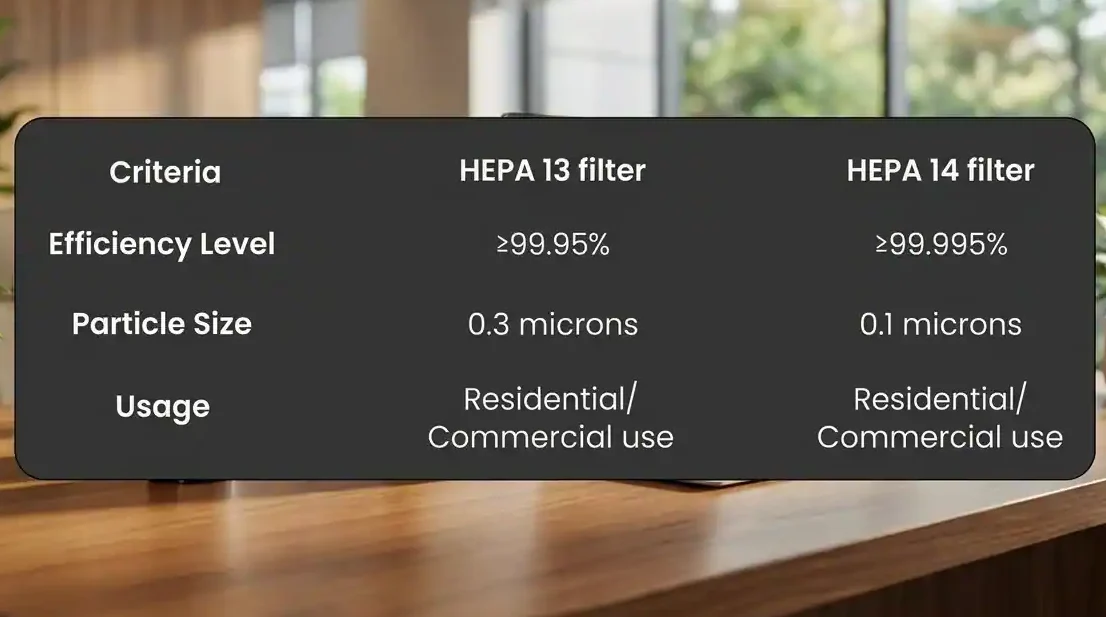
HEPA Filters Explained (H13 vs H14)
This is the main filtration layer, and it matters the most. If you’re buying an air purifier, look for:
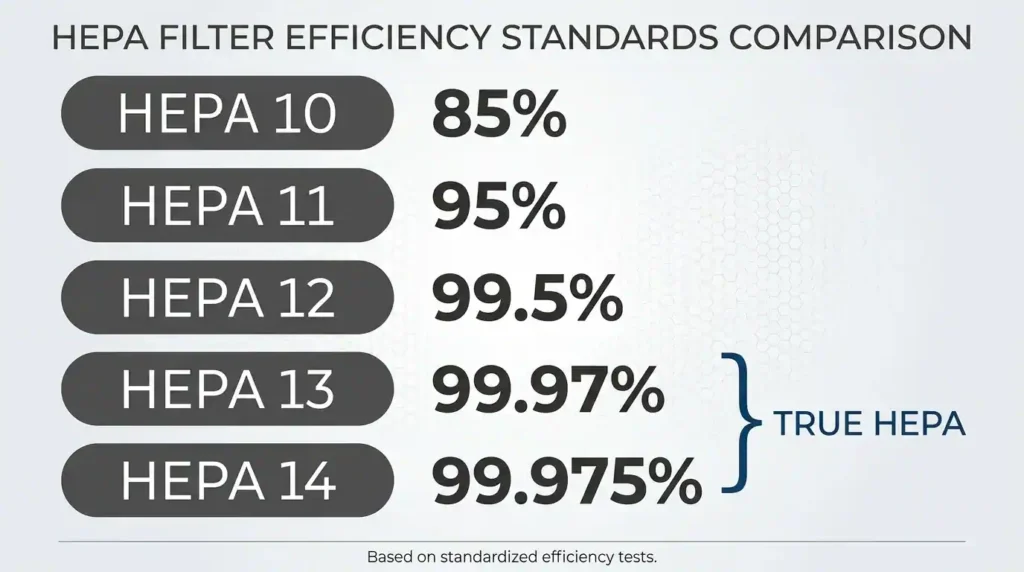
- True HEPA
- HEPA 13
- HEPA 14
These are the filters worth considering. Anything below that, like HEPA 11 or HEPA 12, is simply not good enough if the goal is serious air purification.
Good HEPA filters capture very fine particles with extremely high efficiency. That includes:
- fine dust
- pollen
- pet hair
- most airborne particulate matter
If you’re comparing premium air purifiers, HEPA 13 and HEPA 14 are where you want to be.
What Does a Pre-Filter Do?
This layer captures larger particles first so the more expensive HEPA filter does not get clogged too quickly. That means a good pre-filter can help extend filter life and reduce long-term running cost.
Some brands such as Sharp, Coway, Honeywell, and Philips offer washable pre-filters, which is always a nice convenience. Other models allow vacuum cleaning but not washing.
Do Carbon Filters Remove Smell Effectively?
If you care about smells, a carbon filter matters. It helps tackle:
- cooking odours
- smoke smells
- incense or agarbatti smells
- paint fumes
- other volatile organic compounds
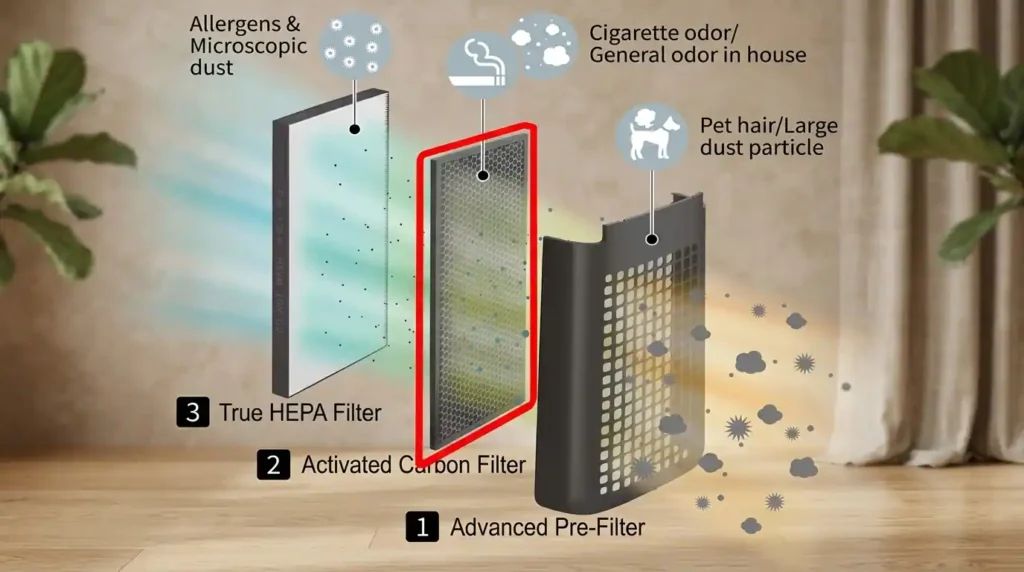
This is not a minor add-on. In practical use, carbon filters can make a real difference. A good example is indoor painting. Paint fumes can become unbearable if you’re living in the house while work is going on, and carbon filtration makes that much more tolerable.
Are UV and Ionizers Important in Air Purifiers?
These are not must-have features. Some air purifiers include:
- UV LED, which is meant to neutralize bacteria
- Ionizers, which release negative ions to speed up purification
They may sound impressive, but if the purifier already has a strong HEPA filtration system, those extras are not essential. A solid filter setup matters far more than fancy technology labels.
2. Understanding Air Purifiers Filter Cost and Replacement
Air purifiers are not a one-time purchase. Just like water purifiers, their filters need regular replacement for the machine to keep working properly. So while the upfront price is important, the ongoing maintenance cost is equally important.
Two things matter here:
- How often the filters need replacement
- How much those replacement filters cost
Brands with shorter filter life
Among top air purifiers, these typically have a filter life of about 1 year or 3,000 hours, whichever comes first:
- Honeywell
- Xiaomi
- Dyson, except Dyson Big+Quiet
- Qubo
- Carter
- Philips
Practically speaking, if the purifier runs for around 8 hours a day, that usually means a yearly replacement.
Brands with longer filter life
These typically offer 8,500 to 9,000 hours of filter life:
- Coway
- Sharp
- Qubo
- Agaro
- Cuckoo
At roughly 8 hours of daily use, those filters can last around 3 years.
The outlier: Dyson Big+Quiet
The Dyson Big+Quiet stands apart with a filter life of around 5 years, though carbon filter replacement may happen sooner.
How Much Do Air Purifier Filters Cost Per Year?
For most brands, filter replacement generally works out to around ₹2,000 to ₹3,000 per year. Dyson has the most expensive replacement filters. Other brands are more reasonable on long-term cost.
Filter availability also matters. In most cases, replacements are available online or through brand support, but this is one area worth checking before buying. A purifier with good specifications is not useful if filters are hard to find later.
3. How to Choose the Right Air Purifier for Your Room Size and CADR
Many people buy an air purifier that is simply too small for their room. That is one of the most common mistakes.
Brands usually specify room size in square feet rather than cubic volume. Ideally, cubic feet or cubic meters would be more accurate, but since most companies use floor area, that is what buyers have to work with.
How to Calculate Room Size for an Air Purifier
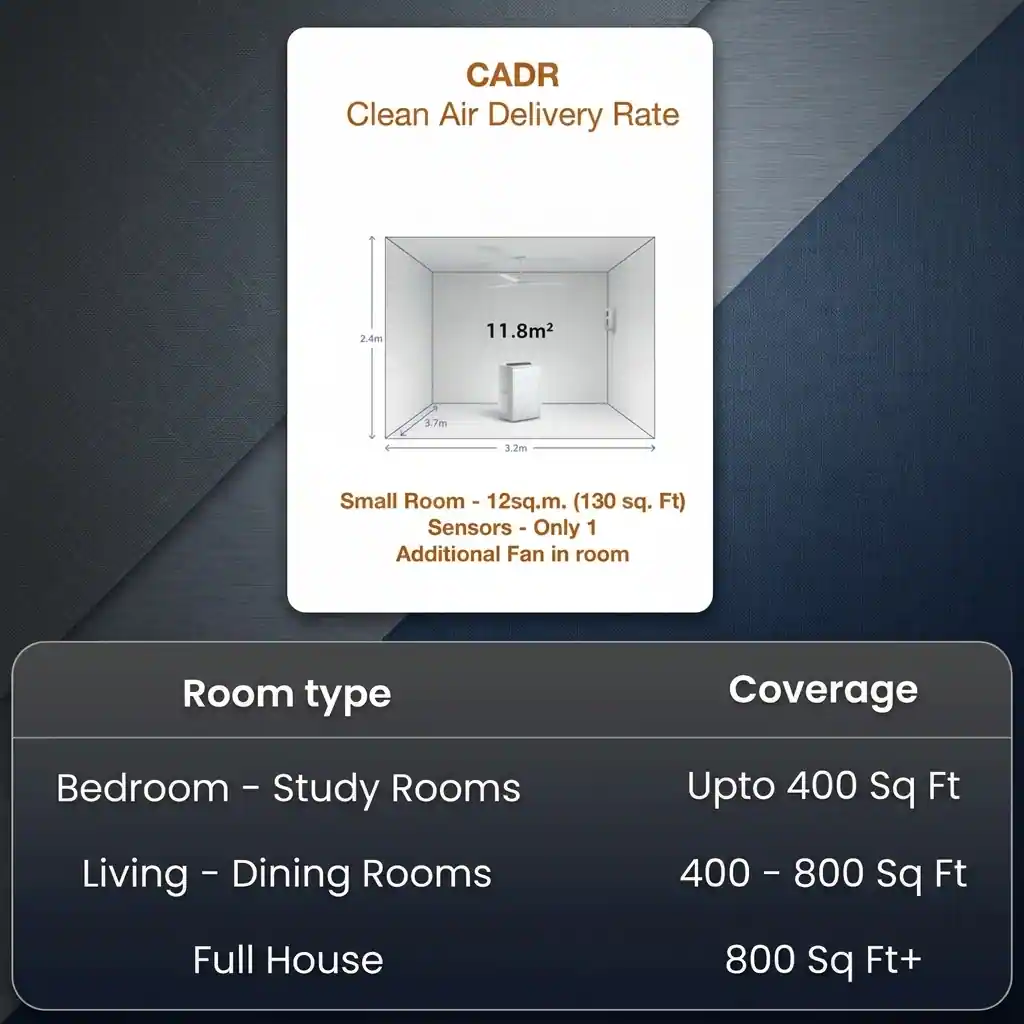
Measure your room length and width, calculate the area, and then add at least 20% as a safety buffer. That gives you a better idea of the minimum coverage you should buy.
Air Purifier Room Size Guide
- Up to 400 sq ft: bedrooms, study rooms, small rooms
- 400 to 800 sq ft: large bedrooms, living rooms, dining rooms
- Above 800 sq ft: full-house or extra-large spaces
If you buy a purifier with smaller coverage than your room size, it will not clean the air effectively or fast enough.
If you buy a larger-capacity purifier for a smaller room, the air will get cleaned much faster. That is actually a useful strategy if you want quicker purification.
What Is CADR and Why It Matters
Coverage alone is not enough. The air purifier also needs to clean air quickly. This is where CADR, or Clean Air Delivery Rate, becomes important. CADR tells you how fast the purifier can deliver cleaned air.
If you are buying for a large room or for a heavily polluted area, higher CADR is a big advantage.
Some brands, especially Dyson, do not always publish CADR in a way that makes comparison easy. That makes direct model-to-model evaluation harder. But where CADR is available, it is one of the most useful comparison numbers.
As a rule:
- Large room = buy high CADR
- Want faster purification = buy a larger-room purifier and use it in a smaller room
Useful Air Purifier Features vs Marketing Extras
Some air purifiers come with extra features that sound interesting. They can be useful, but they should not be the primary reason to choose one model over another.
Mosquito-catching feature on Sharp
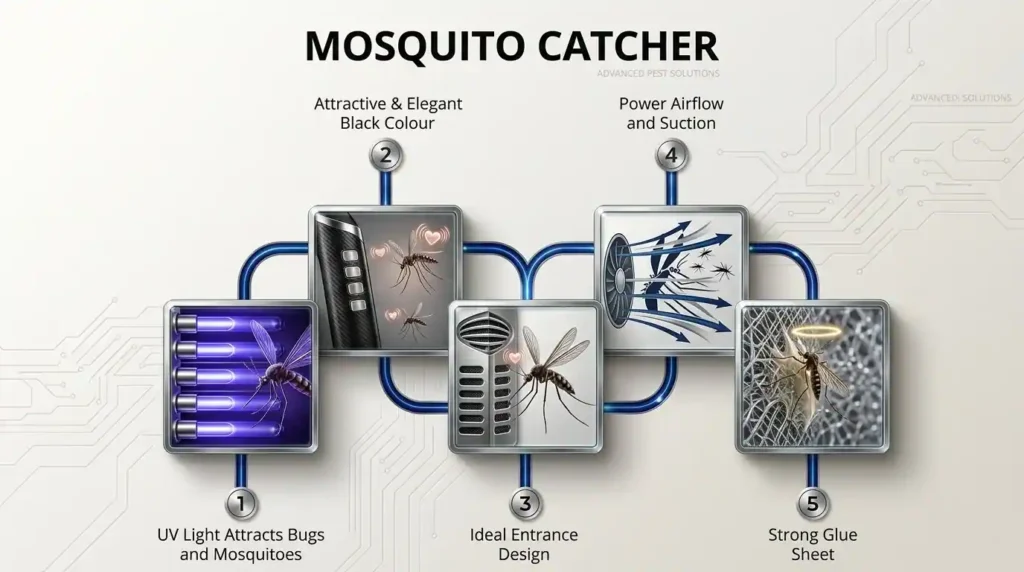
Some Sharp models include a chemical-free mosquito trap. It is an interesting idea and definitely a bonus if it works for your use case, but it should not be the main reason to buy the purifier.
Dyson as a bladeless fan
Most Dyson air purifiers also work as bladeless fans for air circulation. That helps move clean air around the room, but it is important to set expectations correctly: it does not cool the room like an AC, and it does not function like a regular high-airflow fan either.
Some Dyson models also offer heating, though they require a 16-amp power point.
Are Wearable Air Purifiers Effective?
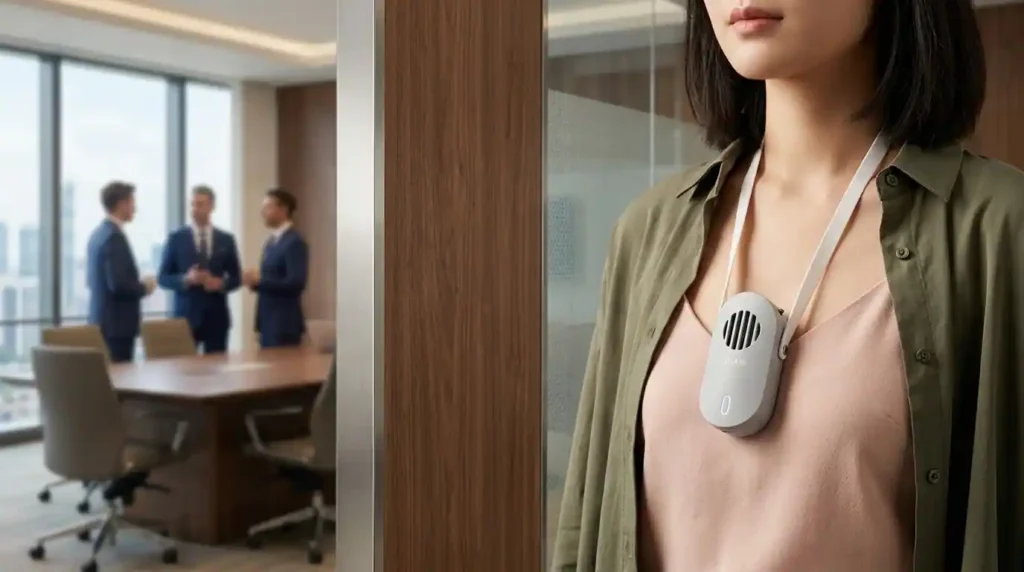
A few wearable air purifiers have entered the market, including one from AutoVio. The claim is that they help with spot purification while moving around.
The issue is that many of these rely on ionizers rather than HEPA filters. That means they may release a small amount of ozone. Brands say the quantity is safe, but without being able to validate that properly, this category remains questionable. Personally, I would skip wearable air purifiers.
Do AC Filters Work Like Air Purifiers?
Some air conditioners claim to offer basic air purification, but when pollution is genuinely bad, that level of filtration is usually not enough.
There is also an Indian brand offering HEPA filter add-ons for existing ACs. These reportedly purify about 90% of PM2.5. That is notably lower than the 99.95%+ capture you typically expect from HEPA 13 or HEPA 14 air purifiers.
Still, they cost much less than a dedicated purifier and do not require adding another appliance to the room. So from a budget perspective, it is an interesting value option.
Convenience features worth checking
These are not essential, but they do make daily use easier.
- Touch controls: available on all compared models
- Remote control: available on some Coway, Xiaomi, Dyson, Sharp, and select Honeywell models
- App connectivity: found on Philips, Dyson, Qubo, and some Honeywell models
- Real-time AQI display: numerical or colour-based on most models
- Filter replacement alerts
- Night mode
- Child lock
App support is genuinely useful for things like:
- checking filter status
- monitoring real-time AQI
- switching the purifier on or off before reaching home
Most purifiers also show air quality using colour indicators. Typically, red means poor air quality and triggers high-speed cleaning mode.
Which Dyson Air Purifier Should You Choose?
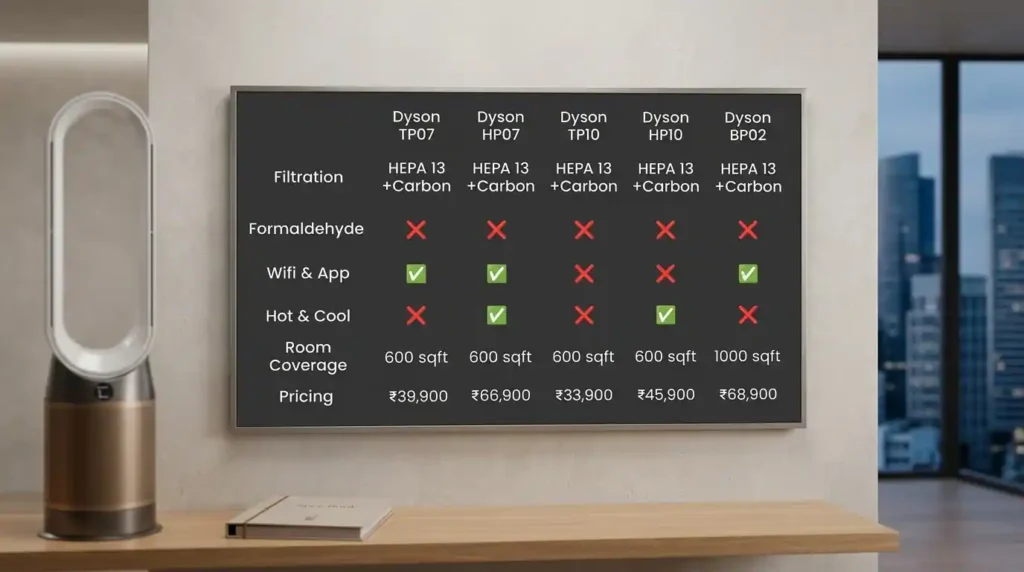
Dyson is one of the most commonly asked-about brands, and for good reason. The products look premium, support is strong, and the machines often double up as air circulators.
If budget matters, the best value Dyson pick is the Dyson TP10 or HP10.
The main thing missing compared with pricier Dyson models is Wi-Fi and app connectivity. In terms of purification, they remain very close to the more expensive variants.
Warranty and After-Sales Support for Air Purifiers
Most air purifiers offer a 1-year or 2-year warranty. Some brands, like Coway, also provide additional motor warranty. In terms of product and service satisfaction, the strongest performers are:
- Philips
- Dyson
- Cuckoo
These are followed by:
- Honeywell
- Eureka Forbes
Those two tend to score better on service satisfaction than overall product satisfaction.
Best Air Purifiers for Small Rooms (Up to 400 sq ft)
This category is ideal for bedrooms, study rooms, and other smaller spaces.
Best for heavily polluted areas: Coway Airmega 150
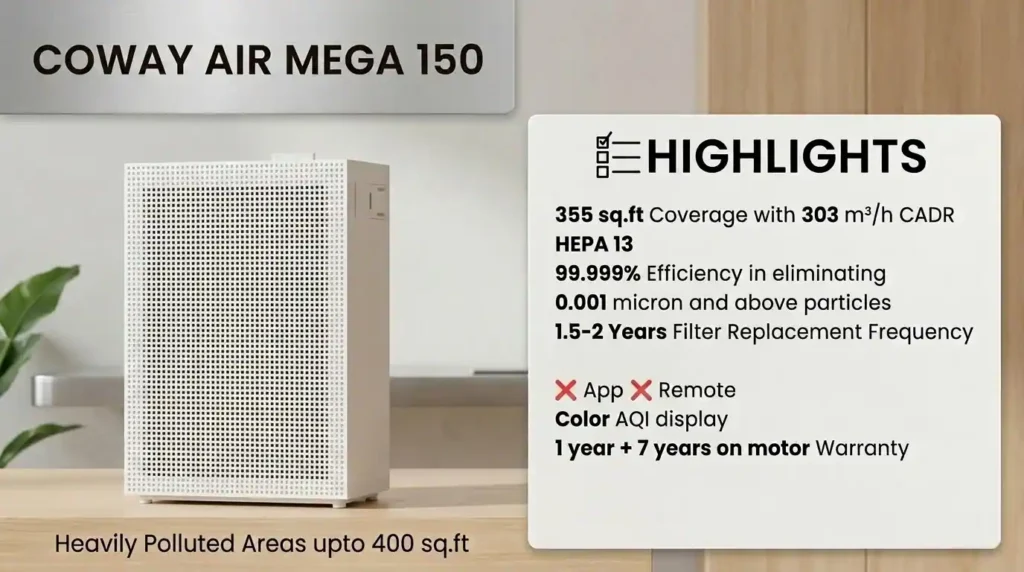
The Coway Airmega 150 has stayed among the top recommendations for years because it focuses on what actually matters: purification performance.
It may look fairly average, but it delivers where it counts.
- Filtration: 3-stage filtration
- Particle capture: claims to capture 99.999% of particles as small as 0.01 microns
- CADR: 303 cubic meters/hour
- Filter life: 8,500 hours
That means around 3 years of life at 8 hours/day, or about 1 year if used 24/7.
Why it stands out: Pure performance. If air quality is genuinely bad, this is one of the strongest compact-room choices.
Best alternative for heavily polluted areas: Philips AC1711 / AC1715
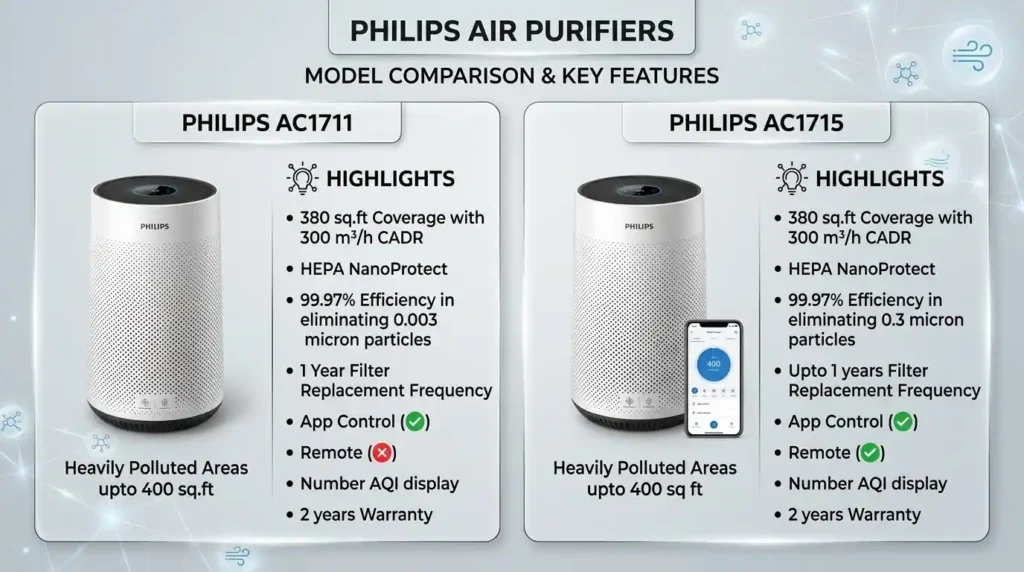
The Philips AC1711 and Philips AC1715 are strong choices for rooms up to about 380 sq ft. The AC1715 adds Wi-Fi connectivity.
- Coverage: up to 380 sq ft
- CADR: 300 cubic meters/hour
- Filter: Philips NanoProtect HEPA
Philips claims this filter can clean up to 2x more air than standard HEPA 13 filters.
Main drawback: filter replacement is typically needed once a year, so ongoing cost is higher than longer-life options.
Best budget options under 400 sq ft
Sharp FP F40E Air purifier for small to medium rooms
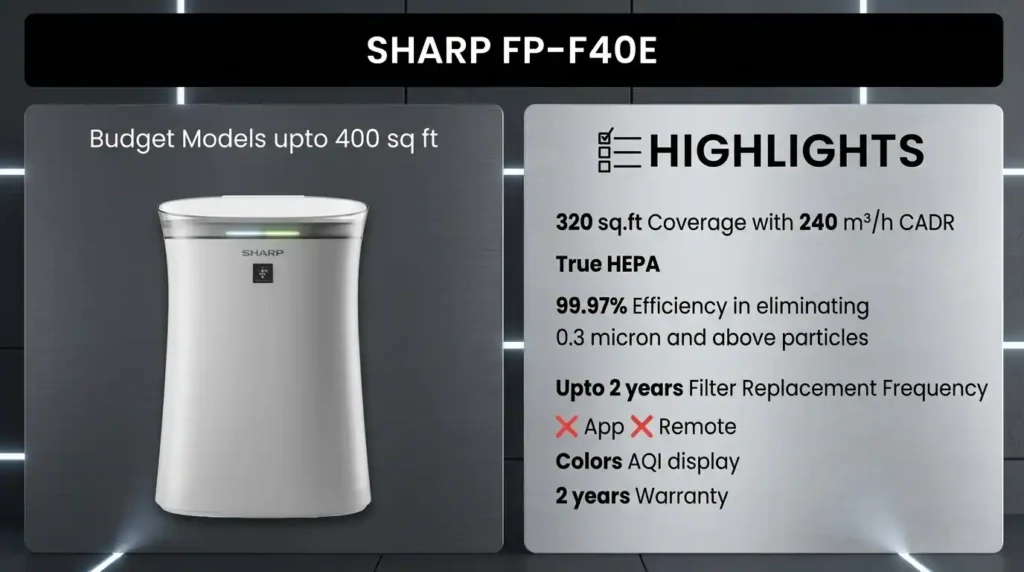
Sharp offers a strong budget option in this segment. The model referenced here uses a True HEPA filter, which is good enough, while some higher-end Sharp models move to HEPA 14.
- Suitable for: small to medium rooms up to 320 sq ft
- Technology: Plasma Cluster ion technology
- Replacement filter cost: around ₹5,000
- Filter life: up to 2 years
Good for: buyers wanting a reputable brand and decent filtration in a smaller room.
Watch out for: replacement filters are expensive.
Qubo 400 Air Purifier
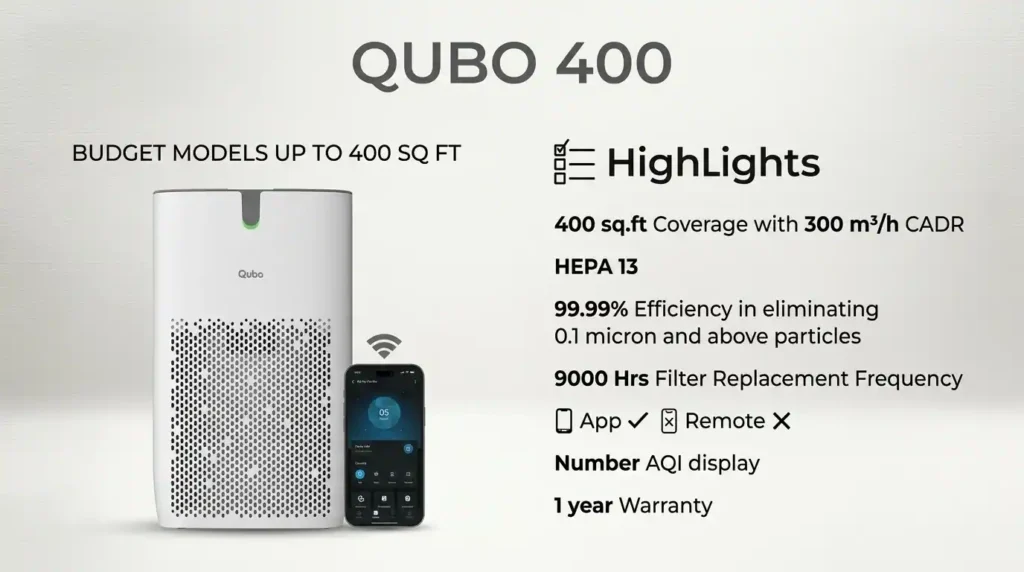
The Qubo 400 is another good choice for small to medium-sized rooms.
- Filter: HEPA 13
- Controls: app and voice control
- Motor: BLDC motor for quieter operation
- Filter life: about 9,000 hours
- Replacement cost: around ₹2,000
That makes it one of the more affordable options in terms of long-term maintenance.
Why it stands out: low replacement cost and long filter life.
Honeywell Air Touch V1 Air Purifier
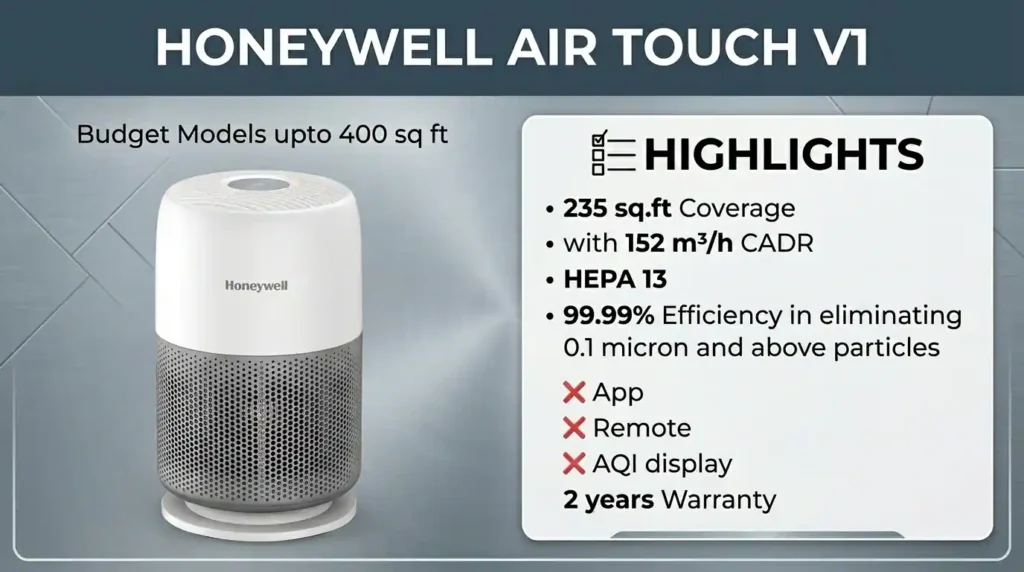
For very small rooms like study rooms or small bedrooms, the Honeywell Air Touch V1 is a compact and affordable option.
- Filtration: 3-stage filtration
- Noise: low noise levels
- Controls: simple one-touch operation
- Fan speeds: 3
Important limitation: this is only suitable for smaller rooms. Use it in a large room or a heavily polluted environment, and it becomes ineffective.
Best Air Purifiers for Large Rooms (Up to 800 sq ft)
This is the category for large bedrooms, living rooms, and dining spaces.
Best for heavily polluted large rooms: Philips AC3220
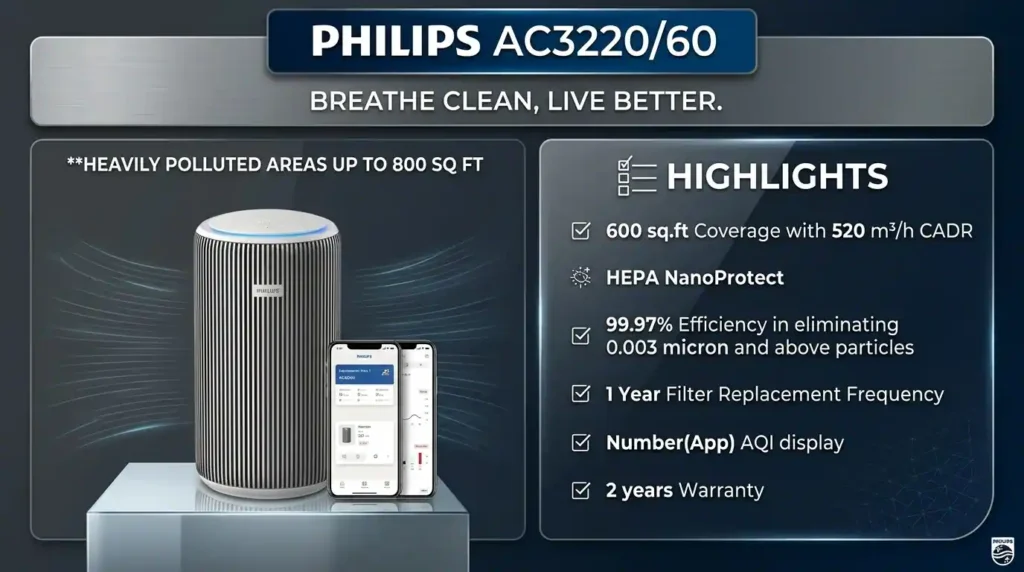
The Philips AC3220 is one of the strongest recommendations for larger spaces.
- Filter: NanoProtect HEPA
- Pollutant removal: 99.97% of pollutants as small as 0.3 microns
- Features: real-time AQI display, silent operation
Why it stands out: excellent overall value for large rooms while remaining quiet enough for night use.
Best premium large-room option: Sharp J80 Air Purifier
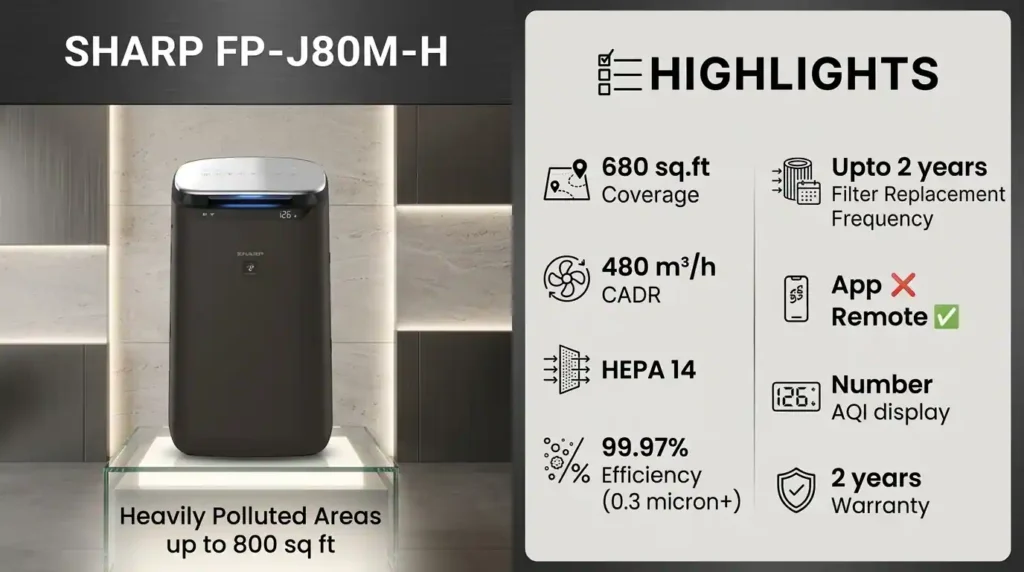
The Sharp J80 is one of the few air purifiers in this space that uses a HEPA 14 filter.
- Filter: HEPA 14
- Features: real-time air quality indicator, auto speed adjustment
- Pre-filter: washable
- Filter life: around 2 years
- Replacement cost: around ₹4,000
That works out to roughly ₹2,000 per year, which is actually quite reasonable given the spec level.
Why it stands out: HEPA 14 filtration and washable pre-filter.
Best Dyson for large rooms: Dyson TP10
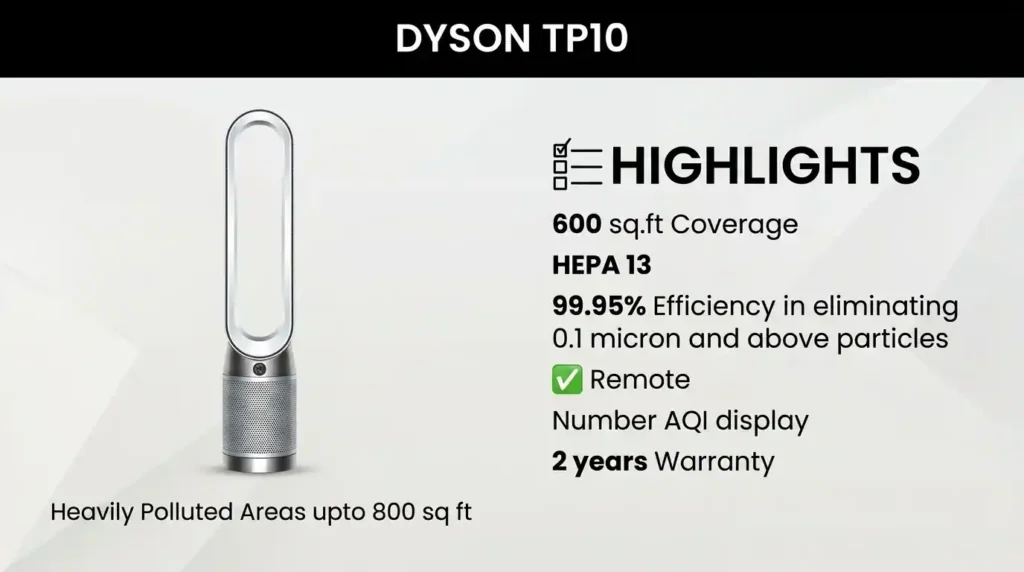
If you want a Dyson without overspending, the Dyson TP10 is the pick.
- Filter: HEPA 13
- Pollutant removal: 99.95% of pollutants as small as 0.1 microns
- Features: 350-degree oscillation, bladeless fan
Main compromise: no app connectivity.
Why it stands out: it delivers Dyson purification without pushing you into the brand’s more expensive smart models.
Best Air Purifiers for Very Large Spaces (800+ sq ft)
Xiaomi Air Purifier 4
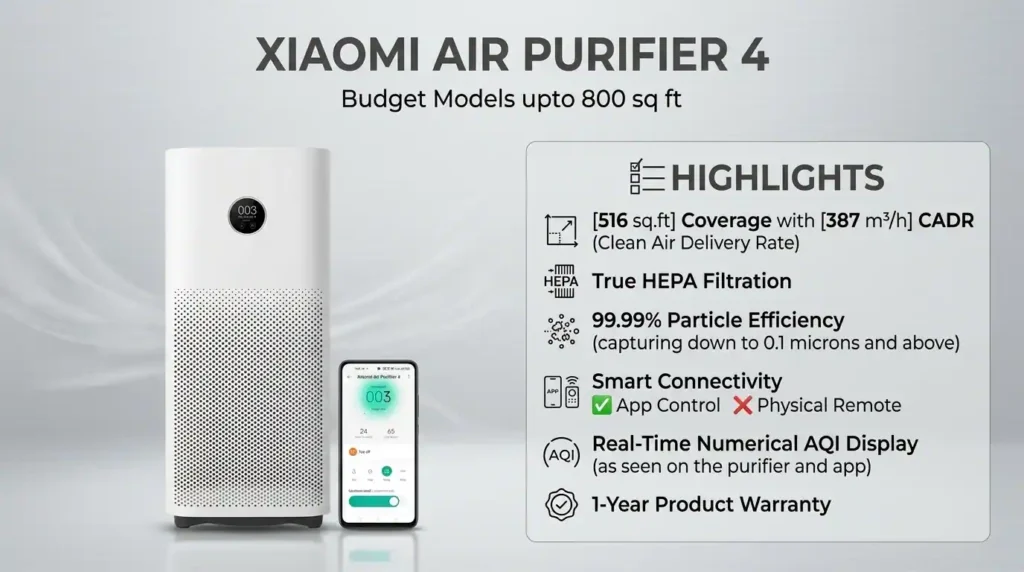
The Xiaomi Air Purifier 4 offers a strong CADR for the money.
- CADR: 400 cubic meters/hour
- Purification speed: can clean a smaller room in about 7 minutes
- Extra feature: negative ionization technology
The ionizer can release small quantities of ozone, which may irritate some people. The good part is that this feature can be turned off in the app.
Why it still makes the list: good performance and flexibility at a budget-friendly price.
Honeywell Air Touch V5
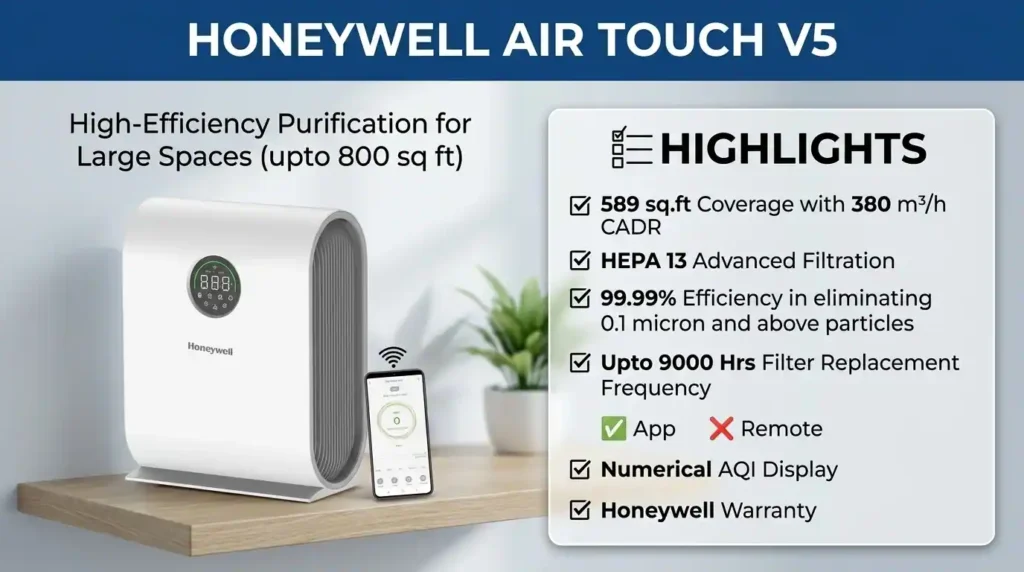
The Honeywell Air Touch V5 is another practical option for larger spaces.
- Filtration: 4-stage filtration
- CADR: 380 cubic meters/hour
- Speed: purifies air roughly every 12 minutes
- Features: real-time AQI indicator
- Filter life: 9,000 hours
- Replacement cost: around ₹2,500
Why it stands out: long filter life and simple stress-free operation for large rooms.
Qubo Q600
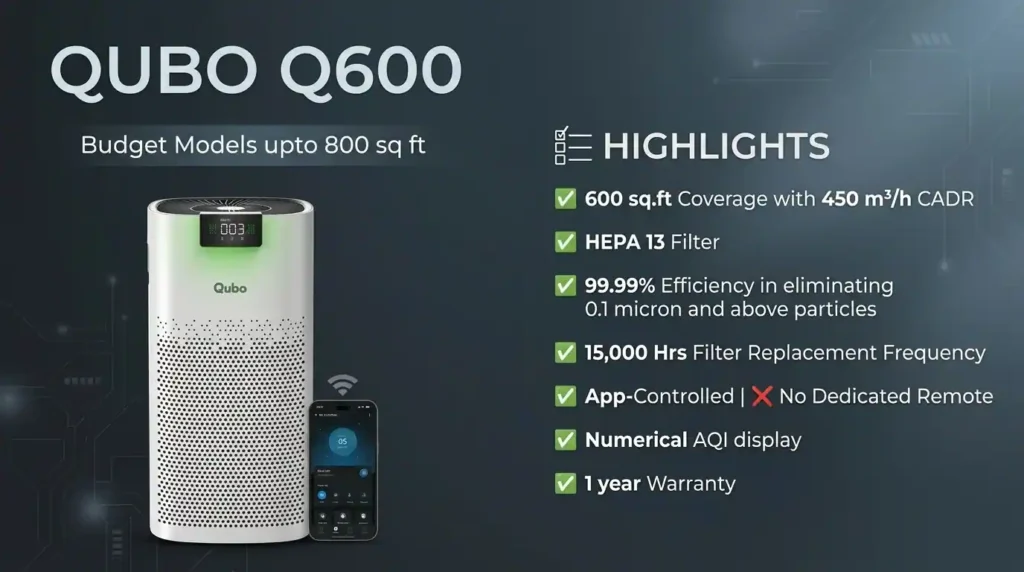
The Qubo Q600 is particularly attractive if long-term cost matters.
- CADR: 450 cubic meters/hour
- Filter life: 15,000 hours
- Features: Wi-Fi and app control
- Replacement cost: around ₹3,500
Even though the filter itself costs more than some rivals, its long life means the per-year operating cost is lower.
Why it stands out: excellent combination of high CADR, long filter life, and smart controls.
Best air purifiers above 800 sq ft for full-house use
Coway Airmega 250
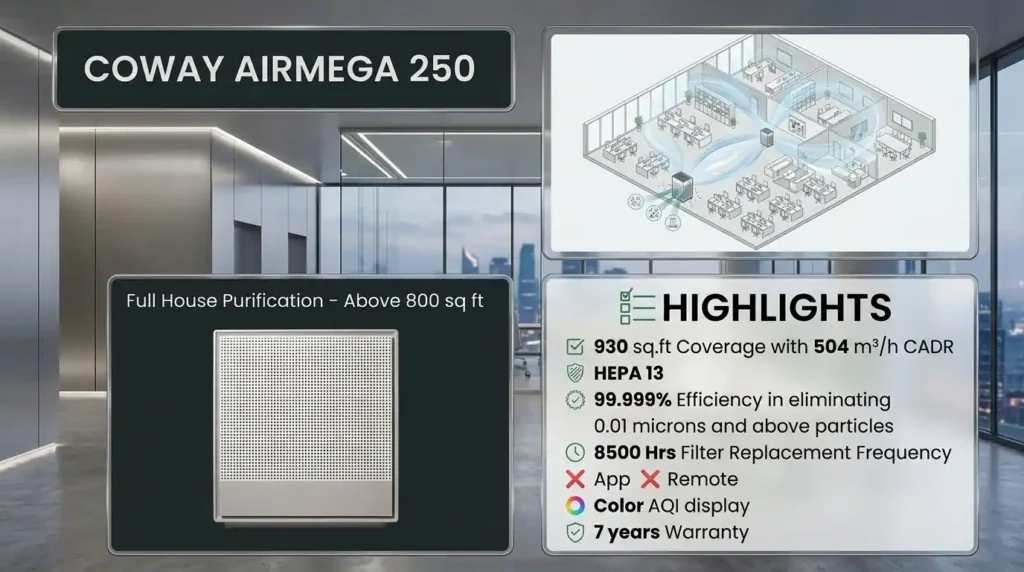
The Coway Airmega 250 is the recommendation for very large rooms or near full-house style use.
- Coverage: up to 900 sq ft in 30 minutes
- Warranty: 7 years
- Filter cost: around ₹8,000
- Filter life: around 8,500 hours
That means roughly:
- 1 year if used round the clock
- 3 years if used 8 hours/day
Yes, filter cost is higher, but for the size and performance level, it is justified.
Dyson Big+Quiet
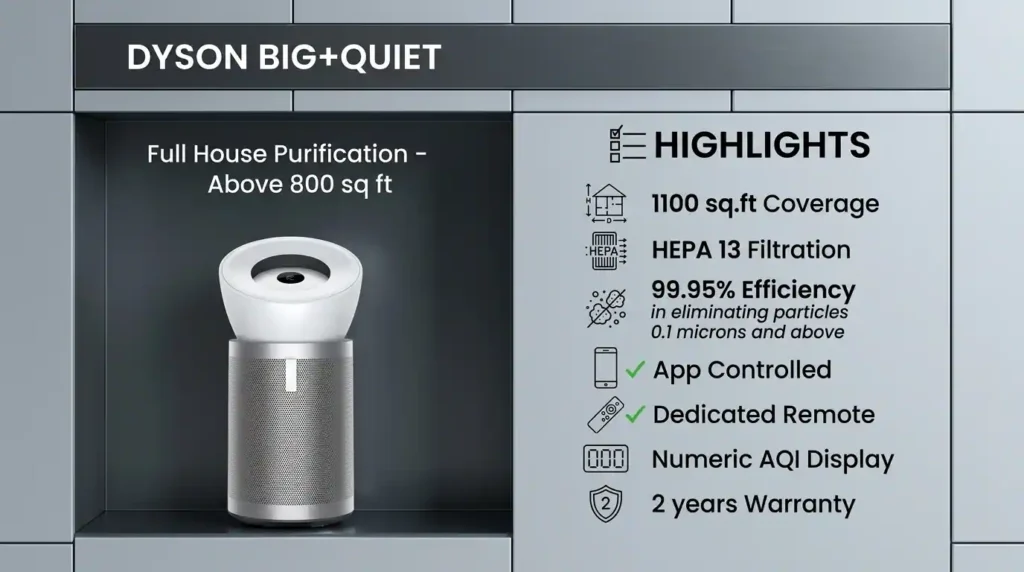
The Dyson Big+Quiet is the premium option for extra-large rooms. The initial purchase cost is high, but there is one major upside: the main filter replacement cycle is about 5 years, with carbon filter changes potentially needed earlier. That makes ongoing operation more sustainable than many people expect from a Dyson.
It is also worth noting that Dyson has one of the strongest support networks among small appliance brands in India, which adds confidence if you are spending at the premium end.
Quick Air Purifier Recommendations Based on Your Needs
If you want the best purifier for a heavily polluted room up to 400 sq ft
- Coway Airmega 150
- Philips AC1711 / AC1715
If you want the best budget purifier up to 400 sq ft
- Qubo 400
- Sharp small-room model
- Honeywell Air Touch V1 for very small rooms only
If you want the best purifier for heavily polluted large rooms up to 800 sq ft
- Philips AC3220
- Sharp J80
- Dyson TP10
If you want the best budget purifier for large rooms up to 800 sq ft
- Xiaomi Air Purifier 4
- Honeywell Air Touch V5
- Qubo Q600
If you want full-house or extra-large room purification
- Coway Airmega 250
- Dyson Big+Quiet
Final Thoughts: How to Choose the Best Air Purifier
The best air purifier is not automatically the most expensive one, and it is definitely not the one with the most flashy feature list.
Focus on these in order:
- HEPA quality
- Replacement filter life and cost
- Room coverage and CADR
If the room is small but heavily polluted, a high-performance compact purifier like the Coway Airmega 150 or Philips AC1711/1715 makes a lot of sense.
If the room is large, options like the Philips AC3220, Sharp J80, and Dyson TP10 stand out. If budget is a priority, Qubo, Honeywell, and Xiaomi offer solid value, especially when filter costs are reasonable.
And if you want to cover a very large space or close to a full home setup, the Coway Airmega 250 and Dyson Big+Quiet are the clear picks. Choose based on room size, pollution level, and long-term running cost, and the decision becomes much easier.
Pricing, Affiliate, and Sponsorship Disclosure:
All prices are subject to change and may be higher or lower than prevailing market prices. We make no guarantees regarding price accuracy. This content may include affiliate links and/or sponsored placements, through which we may receive compensation. Such compensation does not impact pricing or product representation. Consumers are responsible for verifying final prices with the retailer. 😊 Check: Affiliate Disclosure Page. and check out another social media account: Click Here.